Now that I have a few minutes free, I thought I'd go back to one of my great passions...bashing The Whorist (or as it's generally known, The Nerdist), in particular their Doctor Who reviews by one Kyle Anderson.
Mr. Anderson (now doesn't that sound sinister) in my view, has rarely if ever met a Doctor Who post-Rose story that he hasn't loved. I don't mean liked. I mean L-O-V-E-D, to where that particular episode is the Best Doctor Who Episode of All Time...until the next episode when THAT becomes the Best Doctor Who Episode of All Time. It's gotten to be almost a point of parody to see how Anderson rarely finds fault with a Doctor Who episode. I don't mean just to nitpick on a few things. I mean give a bona-fide negative review. Even I, someone who has been vociferous in my condemnation for many NuWho episodes, do admit when I see a good one (like Flatline or Mummy on the Orient Express). Anderson, however, will almost always find something to wax rhapsodic about, even on something as atrocious as In the Forest of the Night.
I was intrigued by this, so a little research was required. I went as far back as I could regarding Anderson's Doctor Who reviews, and the earliest one I could find was the Series/Season Six opener, The Impossible Astronaut. What I've done is taken Kyle Anderson's review verbatim, and offered my own 'translation' to the text to see what Anderson is, in my view, really saying. I also throw in my own thoughts as to what is being said.
I hope this will be a fun and informative journey into the strange mind of the Functioning Nerd.
I present Part 27 of The Nerdist as Whore: Nightmare in Silver. My 'translations' are in red.

Writer Neil
Gaiman is a massive Doctor Who fan. Join the club, right?
"I'd never join a club that would admit me as a member" (Groucho Marx).
In Series 6, he wrote what is pretty much everybody’s favorite episode that year, “The Doctor’s Wife.” (For me, it was second to Tom MacRae’s “The Girl Who Waited,” but I recognize I’m in the minority.)
Yep, on this I am with the majority.
That episode had the Doctor actually getting to speak to the TARDIS! What nerd hasn’t wanted to see that?
Actually, Kyle, I would have said me, but since I'm not a nerd, that question doesn't apply. Also, since you're a poser, I don't think it applies to you either.
This time around, Gaiman brings back the Cybermen and has the Doctor talking to an evil version of himself inside his own brain. “Nightmare in Silver” also has a Cybermen attack on a silly amusement park castle and Warwick Davis being a badass. You go, Neil.
"I'd never join a club that would admit me as a member" (Groucho Marx).
In Series 6, he wrote what is pretty much everybody’s favorite episode that year, “The Doctor’s Wife.” (For me, it was second to Tom MacRae’s “The Girl Who Waited,” but I recognize I’m in the minority.)
Yep, on this I am with the majority.
That episode had the Doctor actually getting to speak to the TARDIS! What nerd hasn’t wanted to see that?
Actually, Kyle, I would have said me, but since I'm not a nerd, that question doesn't apply. Also, since you're a poser, I don't think it applies to you either.
This time around, Gaiman brings back the Cybermen and has the Doctor talking to an evil version of himself inside his own brain. “Nightmare in Silver” also has a Cybermen attack on a silly amusement park castle and Warwick Davis being a badass. You go, Neil.
The
sophomore slump is a phenomenon which states that someone’s follow-up is never
as good as their initial outing (in any field) because you have your whole life
to plan the first one. Happens a lot in music.
Oh yes, Tchaikovsky's Symphony Number 2...real rubbish compared to his First. And The Beatles Second Album...well, the less said the better.
Steven Moffat had that after the near perfect Series 5 with the much more uneven Series 6.
I guess the fact that Victory of the Daleks was in Series 5 is what makes it 'near' perfect, and wait a minute, wasn't The Big Bang Parts 1 & 2 part of Series 5? Aren't YOU the one constantly going on about how we have yet to receive an answer about the exploding TARDIS? "Near" perfect, huh?
And as for Series 6 being uneven, weren't you the one who liked such episodes as The Weeding of River Song (yes, I know it's 'wedding', but a man can dream, can't he)? Let's use the Wayback Machine to review Kyle Anderson's own reviews for this 'uneven' Series Six:
The Wedding of River Song: "I still love the series, I still love the era, and I even generally like this episode (though a second viewing was required)".
Closing Time: "On first viewing, I wasn’t sold on the episode as a whole, but upon reflection and second viewing, after knowing what the episode actually was, I knew it to be another fantastic episode for the season" (emphasis mine).
The Girl Who Waited: "What more can I say? I dug it".
Night Terrors: "“Night Terrors,” on the other hand, is one I probably will watch multiple times. So far, there aren’t any series 6 episodes I actively dislike, which is pretty good" (emphasis mine).
Let's Kill Hitler: "Anyway, despite all that griping I just did, I actually, overall, quite enjoyed the episode".
A Good Man Goes to War: "And still, questions ARE answered in a satisfactory way". BTW, this was the same episode where our 'analytical critic' wrote these immortal words, "“A Good Man Goes to War,” the mid-series finale of Doctor Who, was full of action and cool new characters, but there wasn’t, strictly speaking, a “plot.” Yet this isn’t necessarily a bad thing" (emphasis mine).
The Almost People: I’ve now watched “The Almost People” two times and most of my complaints arose during the second viewing, but I still have to say that, no, I actually DO enjoy this two-parter".
The Rebel Flesh: "Regardless, about the episode at hand: For the most part, I enjoyed “The Rebel Flesh.”
The Doctor's Wife: "It might be, in fact, the perfect Doctor Who episode".
The Curse of the Black Spot: "It certainly was not a bad episode, in fact I even enjoyed watching it on second viewing". That's on CURSE OF THE BLACK SPOT, which he later derided as "dumb but harmless" (Night Terrors review) before going all-in and calling it "boring, poorly-paced, and obvious" (Journey to the Centre of the TARDIS review).
How soon they forget...
Day of the Egg (Moon): "All in all, "Day of the Moon" was a fun episode, if not a perfect one".
Now, remember kids, this is the Season he called 'uneven'. Ten out of thirteen positive reviews. Imagine if it hadn't been 'uneven'...
He is, however, redeeming himself in spades with Series 7.
Let's see how much redemption The Moff has received from The Crawler...
The Doctor, The Widow, and the Wardrobe: "Despite these nitpicks, though, this episode succeeded in being a truly Christmassy and special Christmas special".
Asylum of the Daleks: "To say I loved it would be pretty accurate".
Dinosaurs on a Spaceship: "Overall, I was actually fairly impressed by the episode".
The Power of Three: "Overall, I absolutely loved this".
The Angels Take Manhattan: "As a farewell to the Ponds, though, “The Angels Take Manhattan” was damn fine television.
The Snowmen: "There’s a lot more to “The Snowmen” that a second or third viewing will undoubtedly awaken in my brain, but having only seen it once, amid the noise of family, I found it completely agreeable".
The Bells of Saint John: "So, to sum up: very good episode, would watch again, +++++".
The Rings of Akhaten: "Despite those few misgivings, I really, really liked “The Rings of Akhaten.”
Cold War: "Mild “like” from me. It’s an episode I’ll definitely watch again".
Hide: "I adored this episode, easily my favorite of this half-series, and possibly for the whole series, but we’ll have to see about that".
Journey to the Centre of the TARDIS: "So very much to chew on in this episode, but overall, I loved it".
The Crimson Horror: "Suffice to say, “The Crimson Horror” is easily my favorite Gatiss story since “The Unquiet Dead,” and he has more or less redeemed himself for the conceptually fantastic but narratively flawed “Cold War.” It’s not a perfect script by any means, but it’s a great deal of fun and has amazing elements to it. This makes me very pleased. More stories like this, please, Mr. Gatiss!"
To be fair, I can't accuse him of dishonesty. He has given positive reviews to every Series Seven story save A Town Called Mercy, but by now his ebullient praise of every Doctor Who episode has slipped from tragedy to farce to sheer embarrassment and even sadness. Somehow, I can't find it in my heart to keep mocking Anderson's worship of every Doctor Who story which he lauds with such rhapsodic praise (though I'll still do it). I can't believe that out of so-far twelve episodes eleven would be this unimpeachably brilliant. I still hold that Kyle Anderson will rarely if ever really go after a Doctor Who episode for his own motives (money) than out of a true and sincere belief that Journey to the Centre of the TARDIS really IS that good. If, however, I am completely wrong and he is being completely honest in his evaluations with no ulterior motive, I can only marvel at how someone who claims to be an 'analytical critic' can behave in such a fan-boy manner at his professional duty.
There was a concern on my part that Neil Gaiman wouldn’t be able to compete with the greatness of “The Doctor’s Wife” because he had all of his life to dream about what the Doctor and TARDIS would say to each other.
Might his return to the show be a bit of a letdown? Overall, I’d say no.
They’re two completely different types of episodes, and this one isn’t trying to jerk any tears or tug on any heartstrings, but I really enjoyed how it was presented and a lot about what was on display.
They're two completely different types of episodes: The Doctor's Wife was actually...good, Nightmare in Silver was unbearably, unbelievably bad. However, I really enjoyed that for once I was able to laugh at a Doctor Who episode rather than cringe at how awful it was, praying it would all end.
The Doctor brings Clara and her two young charges, Angie and Artie, to the universe’s largest amusement park. Too bad it’s been out of commission for years following a war with the Cybermen.
I guess it isn't The Greatest Show in the Galaxy, is it?
They’d been all but wiped out, save for a few deactivated ones, but the galaxy was gutted in the process. Residing on the planet is a team of disgraced soldiers, who are basically assigned to wait there until something happens.
These soldiers representing the Doctor Who audience.
The Doctor also meets up with Webley (Jason Watkins), who has a wax museum (notice the creepy dummy from “The God Complex”), and a Cyberman who does nothing but play chess.
Did anyone else see that Nightmare in Silver reused props from The God Complex, because my Spidey-sense tells me there is no connection between the two.
Turns out, however, that it’s not even the Cyberman, but Porridge (Warwick Davis) controlling its arms.
Oh yes, Tchaikovsky's Symphony Number 2...real rubbish compared to his First. And The Beatles Second Album...well, the less said the better.
Steven Moffat had that after the near perfect Series 5 with the much more uneven Series 6.
I guess the fact that Victory of the Daleks was in Series 5 is what makes it 'near' perfect, and wait a minute, wasn't The Big Bang Parts 1 & 2 part of Series 5? Aren't YOU the one constantly going on about how we have yet to receive an answer about the exploding TARDIS? "Near" perfect, huh?
And as for Series 6 being uneven, weren't you the one who liked such episodes as The Weeding of River Song (yes, I know it's 'wedding', but a man can dream, can't he)? Let's use the Wayback Machine to review Kyle Anderson's own reviews for this 'uneven' Series Six:
The Wedding of River Song: "I still love the series, I still love the era, and I even generally like this episode (though a second viewing was required)".
Closing Time: "On first viewing, I wasn’t sold on the episode as a whole, but upon reflection and second viewing, after knowing what the episode actually was, I knew it to be another fantastic episode for the season" (emphasis mine).
The Girl Who Waited: "What more can I say? I dug it".
Night Terrors: "“Night Terrors,” on the other hand, is one I probably will watch multiple times. So far, there aren’t any series 6 episodes I actively dislike, which is pretty good" (emphasis mine).
Let's Kill Hitler: "Anyway, despite all that griping I just did, I actually, overall, quite enjoyed the episode".
A Good Man Goes to War: "And still, questions ARE answered in a satisfactory way". BTW, this was the same episode where our 'analytical critic' wrote these immortal words, "“A Good Man Goes to War,” the mid-series finale of Doctor Who, was full of action and cool new characters, but there wasn’t, strictly speaking, a “plot.” Yet this isn’t necessarily a bad thing" (emphasis mine).
The Almost People: I’ve now watched “The Almost People” two times and most of my complaints arose during the second viewing, but I still have to say that, no, I actually DO enjoy this two-parter".
The Rebel Flesh: "Regardless, about the episode at hand: For the most part, I enjoyed “The Rebel Flesh.”
The Doctor's Wife: "It might be, in fact, the perfect Doctor Who episode".
The Curse of the Black Spot: "It certainly was not a bad episode, in fact I even enjoyed watching it on second viewing". That's on CURSE OF THE BLACK SPOT, which he later derided as "dumb but harmless" (Night Terrors review) before going all-in and calling it "boring, poorly-paced, and obvious" (Journey to the Centre of the TARDIS review).
How soon they forget...
Day of the Egg (Moon): "All in all, "Day of the Moon" was a fun episode, if not a perfect one".
Now, remember kids, this is the Season he called 'uneven'. Ten out of thirteen positive reviews. Imagine if it hadn't been 'uneven'...
He is, however, redeeming himself in spades with Series 7.
Let's see how much redemption The Moff has received from The Crawler...
The Doctor, The Widow, and the Wardrobe: "Despite these nitpicks, though, this episode succeeded in being a truly Christmassy and special Christmas special".
Asylum of the Daleks: "To say I loved it would be pretty accurate".
Dinosaurs on a Spaceship: "Overall, I was actually fairly impressed by the episode".
The Power of Three: "Overall, I absolutely loved this".
The Angels Take Manhattan: "As a farewell to the Ponds, though, “The Angels Take Manhattan” was damn fine television.
The Snowmen: "There’s a lot more to “The Snowmen” that a second or third viewing will undoubtedly awaken in my brain, but having only seen it once, amid the noise of family, I found it completely agreeable".
The Bells of Saint John: "So, to sum up: very good episode, would watch again, +++++".
The Rings of Akhaten: "Despite those few misgivings, I really, really liked “The Rings of Akhaten.”
Cold War: "Mild “like” from me. It’s an episode I’ll definitely watch again".
Hide: "I adored this episode, easily my favorite of this half-series, and possibly for the whole series, but we’ll have to see about that".
Journey to the Centre of the TARDIS: "So very much to chew on in this episode, but overall, I loved it".
The Crimson Horror: "Suffice to say, “The Crimson Horror” is easily my favorite Gatiss story since “The Unquiet Dead,” and he has more or less redeemed himself for the conceptually fantastic but narratively flawed “Cold War.” It’s not a perfect script by any means, but it’s a great deal of fun and has amazing elements to it. This makes me very pleased. More stories like this, please, Mr. Gatiss!"
To be fair, I can't accuse him of dishonesty. He has given positive reviews to every Series Seven story save A Town Called Mercy, but by now his ebullient praise of every Doctor Who episode has slipped from tragedy to farce to sheer embarrassment and even sadness. Somehow, I can't find it in my heart to keep mocking Anderson's worship of every Doctor Who story which he lauds with such rhapsodic praise (though I'll still do it). I can't believe that out of so-far twelve episodes eleven would be this unimpeachably brilliant. I still hold that Kyle Anderson will rarely if ever really go after a Doctor Who episode for his own motives (money) than out of a true and sincere belief that Journey to the Centre of the TARDIS really IS that good. If, however, I am completely wrong and he is being completely honest in his evaluations with no ulterior motive, I can only marvel at how someone who claims to be an 'analytical critic' can behave in such a fan-boy manner at his professional duty.
There was a concern on my part that Neil Gaiman wouldn’t be able to compete with the greatness of “The Doctor’s Wife” because he had all of his life to dream about what the Doctor and TARDIS would say to each other.
Might his return to the show be a bit of a letdown? Overall, I’d say no.
They’re two completely different types of episodes, and this one isn’t trying to jerk any tears or tug on any heartstrings, but I really enjoyed how it was presented and a lot about what was on display.
They're two completely different types of episodes: The Doctor's Wife was actually...good, Nightmare in Silver was unbearably, unbelievably bad. However, I really enjoyed that for once I was able to laugh at a Doctor Who episode rather than cringe at how awful it was, praying it would all end.
The Doctor brings Clara and her two young charges, Angie and Artie, to the universe’s largest amusement park. Too bad it’s been out of commission for years following a war with the Cybermen.
I guess it isn't The Greatest Show in the Galaxy, is it?
They’d been all but wiped out, save for a few deactivated ones, but the galaxy was gutted in the process. Residing on the planet is a team of disgraced soldiers, who are basically assigned to wait there until something happens.
These soldiers representing the Doctor Who audience.
The Doctor also meets up with Webley (Jason Watkins), who has a wax museum (notice the creepy dummy from “The God Complex”), and a Cyberman who does nothing but play chess.
Did anyone else see that Nightmare in Silver reused props from The God Complex, because my Spidey-sense tells me there is no connection between the two.
Turns out, however, that it’s not even the Cyberman, but Porridge (Warwick Davis) controlling its arms.
My porridge is too hot! My porridge is too cold! My porridge is by no means just right!
Unfortunately, there are also Cyber-Mites, which bring the Cybermen back to life and begin upgrading Webley, Angie, Artie, and eventually the Doctor.
If only they could upgrade the acting, the writing, the directing, the producing...
The army captain, meanwhile, is fully aware that she has a device that could completely destroy the planet, and by extension the Cybermen, and themselves, but the Doctor, Clara, and Porridge expressly forbid her from doing so.
Well, at this point let's ask why the Army captain is taking orders from The Chin, The Impossible (To Live With) Girl, and Willow. Yes, it does answer that question later on in a very ham-fisted way, but still, pretty pathetic captain to take orders from a schoolteacher and a guy with a bow-tie who hops about screaming about his "Golden Ticket".
They’re severely outgunned, though, and if the Cybermen get through their defenses, it’s curtains for everybody anyway.
HOLD IT, KYLE! You haven't finished your synopsis, or maybe you know that if you kept going, you wouldn't be able to declare this another Doctor Who masterpiece and decided to stop while you're ahead.
There’s a lot I liked about this episode. A
whole lot. Unfortunately, there are also Cyber-Mites, which bring the Cybermen back to life and begin upgrading Webley, Angie, Artie, and eventually the Doctor.
If only they could upgrade the acting, the writing, the directing, the producing...
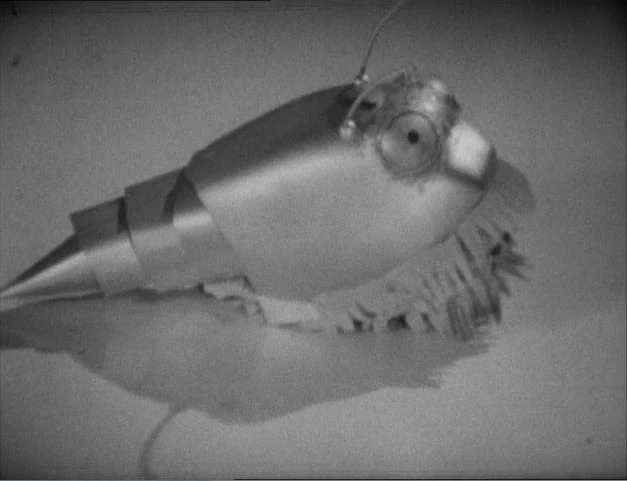 |
| Whatever Happened to the Cybermats?! |
The army captain, meanwhile, is fully aware that she has a device that could completely destroy the planet, and by extension the Cybermen, and themselves, but the Doctor, Clara, and Porridge expressly forbid her from doing so.
Well, at this point let's ask why the Army captain is taking orders from The Chin, The Impossible (To Live With) Girl, and Willow. Yes, it does answer that question later on in a very ham-fisted way, but still, pretty pathetic captain to take orders from a schoolteacher and a guy with a bow-tie who hops about screaming about his "Golden Ticket".
They’re severely outgunned, though, and if the Cybermen get through their defenses, it’s curtains for everybody anyway.
HOLD IT, KYLE! You haven't finished your synopsis, or maybe you know that if you kept going, you wouldn't be able to declare this another Doctor Who masterpiece and decided to stop while you're ahead.
There's a lot I hated about this episode. A whole lot.
I liked the redesign of the Cybermen and the fact that they can do more than just lumber along.
Now the Cybermen have super-speed...which they use about only once. It's not like they could fly or anything like that, right?
With all the rampant upgrading, they’re kind of like the Borg.
Although the Cybermen predate the Borg by a good twenty-three years, yes, Cybermen are 'kind of like the Borg'.
Wait! I just realized, this is sort of like Doctor Who’s version of “The Best of Both Worlds,” only at no point did anyone think the Doctor might be turned forever into a Cyberman.
Wait! I just realized, this is sort of copying a much better story from a much better series, only at no point did anyone think the Doctor might be turned forever into a sensible character.
I really loved the whole internal (and sometimes external) battle between the Doctor and “Mr. Clever,” the Cyber Programmer inside his head.
I really felt terrible whenever "Mr. Clever", as solid a Cyberman name as could be found, had to match wits with a thoroughly witless Doctor.
That is the closest the new series has gotten to having a lead Cyberman be as devious and maniacal as they were in the classic series.
I also liked the references to their past weakness, specifically gold. It’s stupid that they were weakened by gold, but it’s used very nicely here, because it is inherently dumb.
For a "massive Doctor Who fan", you sure are quick in mocking established Canon. I was unaware that your declaration of a key element of Canon regarding Cybermen now is 'inherently dumb'? May I ask your qualifications in deciding that Cybermen being weakened by gold was 'stupid'?
Matt Smith gives another absolutely brilliant performance, here playing both good and evil.
I hope the Master never comes back, because I don’t think anybody could possibly be a better evil counterpart to the Eleventh Doctor than the Eleventh Doctor himself.
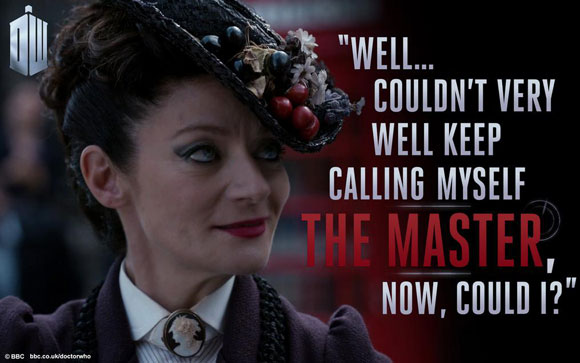
Consider your wish granted, Anderson.
The references to the past Doctors is always welcome, especially in the 50th Anniversary year. I loved the visual representation of the two sides of the Doctor’s mind, himself represented by golden Gallifreyan swirlies, and the Cyberman represented by cold, blue energy. Really nicely done, as was Stephen Woolfenden’s direction as a whole.
Well, I'm not going to begrudge how pretty that part of Nightmare in Silver was.
I also —
broken record again — loved Jenna-Louise Coleman. Full stop.
I also---broken record again---love masterbating to Jenna-Louise Coleman. Can't stop, won't stop.
The way she so naturally falls into the authority the Doctor gives her, even though he really has no authority himself, is fantabulous.
I liked her back-and-forth with the Cyber-Doctor, especially with her easily figuring out his attempt to trick her. Hands down, Clara is my favorite companion of the new series, maybe even of all.
I like empty-headed broads with nice boobs.
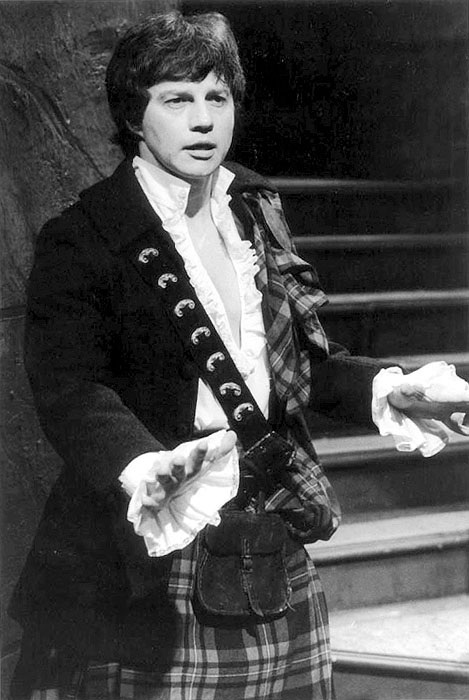
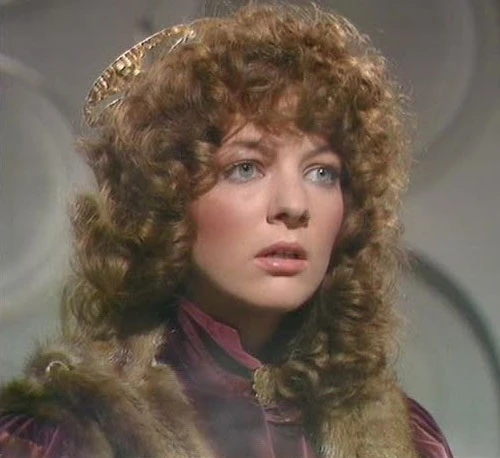
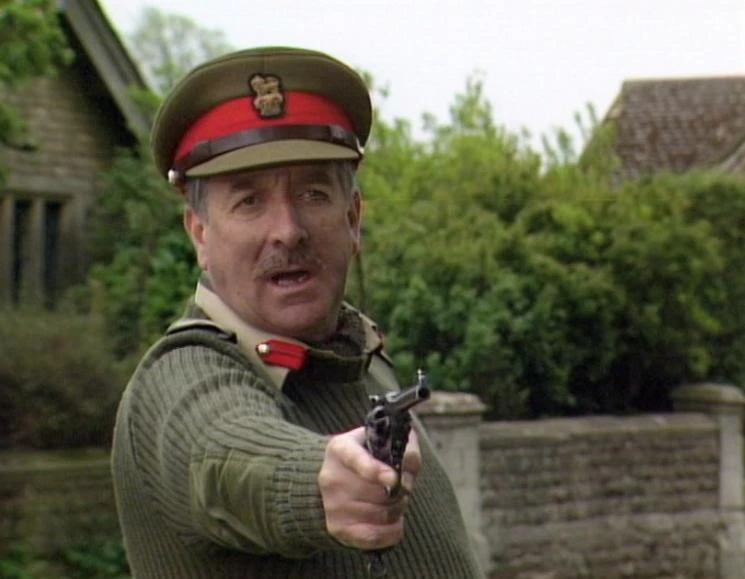
Let's see who Kyle Anderson thinks is not as good as Clara Oswald as a Doctor Who Companion...
Compared to all of them, Clara Oswald is so obviously above them all, the Citizen Kane of Companions, the standard to which all other Companions, pre-and-post Oswald, will be measured against.
Think that deserves the Vincent Price laugh too?
I think I like her the most because she’s not a caricature in any way.
She doesn’t have traits that get molded into a character. She’s sort of a blank slate, which makes her seem more realistic. I hope she sticks around for a good long while.
I also---broken record again---love masterbating to Jenna-Louise Coleman. Can't stop, won't stop.
The way she so naturally falls into the authority the Doctor gives her, even though he really has no authority himself, is fantabulous.
I liked her back-and-forth with the Cyber-Doctor, especially with her easily figuring out his attempt to trick her. Hands down, Clara is my favorite companion of the new series, maybe even of all.
I like empty-headed broads with nice boobs.
Let's see who Kyle Anderson thinks is not as good as Clara Oswald as a Doctor Who Companion...
 |
| Rubbish |
 |
| Junk |
 |
| Pathetic Has-Been |
 |
| LOSER |
 |
| A Nobody |
 |
| Dumb as a rock. |
 |
| Some Old Geezer |
Compared to all of them, Clara Oswald is so obviously above them all, the Citizen Kane of Companions, the standard to which all other Companions, pre-and-post Oswald, will be measured against.
Think that deserves the Vincent Price laugh too?
I think I like her the most because she’s not a caricature in any way.
She doesn’t have traits that get molded into a character. She’s sort of a blank slate, which makes her seem more realistic. I hope she sticks around for a good long while.
I hope she causes me to get sticky for a good long while.
Now, for some of the stuff I didn’t like very much, namely, the kids: I do not understand why they were in this story.
Well, I think we're about to hit the broken clock time...
It seemed a strange shoehorning last week when they suddenly reappear after only being seen briefly in “The Bells of Saint John,” and seemed really strange that they could find pictures of Clara from throughout history and not really care all that much.
We had lack of logic on this episode, but boy wasn't "Mr. Clever" such a Cyberman idea? Wasn't it all so pretty? And wasn't Jenna-Louise Coleman rather, eh, perky, this time?
I had imagined that it was Gaiman himself that requested the children be in it, and maybe he did, but they were really non-entities in the story.
Yes, at long last, Anderson hits a rare moment of lucidity. Congratulations, kid.
So, what was the point of having them at all? They show up, enjoy a bit of jumping on the moon, then get Cyber-ized and are essentially comatose through most of the episode.
In fairness, the viewing audience was essentially comatose through most of the episode too.
At least when somebody like Rory or Mickey (granted, they were much more integral pieces to the overall plot) came aboard the TARDIS, they directly impacted the plot, but these kids didn’t do anything. Angie was a brat for no reason, then figured out Porridge’s true identity. Great….
Though she was a brat about THAT too! She'd just come out of her coma and snidely remarked that it was SO obvious who Porridge was, when it clearly wasn't. That figure didn't look at all like Porridge, so I think it was obvious ANGIE was the dumb one. Not to mention, both children gave lousy performances. Geez, what IS it about Doctor Who hiring really bad child actors? Is some 'bad child actor casting director' blackmailing the Moff to keep hiring these terrible kids?
In the storyline, they make mention of children being key to the Cybermen’s plot, and without kids, they were pretty well screwed. However, they didn’t do anything with the kids at all. Honestly, what did it matter that they were there?
Well, we're on the same page on this one. Yes, I'm shocked too.
There also was very little threat to the army people. We didn’t care enough about them to really sad if any of them died, but we also never really felt their fear or even much of a sense of panic or tension about them possibly not holding everything back. There’s a scene where the one lady soldier tries to do the zappy thing on the Cyber head but is caught by the body. Almost immediately, she and another person are being converted, the big guy makes the Cyberman come towards him, he ducks out of the way, and Clara shoots it. That happened SO fast I didn’t even have time to really know what was going on. It seemed like two completely separate scenes joined together haphazardly.
This episode was riddled with bad editing and a confusing, even nonsensical, story structure, but, was I the only one fantasizing about Jenna-Louise Coleman threatening me with a weapon unless I removed all my clothes and made wild sex with her?
The other
thing I didn’t much care for was the relative ease of the escape. It seemed
like in a flash, we go from realizing Porridge isn’t who he says he is to him
setting off the bomb, to them safely aboard his ship with time enough to save
the TARDIS. What? How anti-climactic.
Gaiman, for all his genius, couldn't resolve the situation in a coherent manner, so we basically just zapped everyone up, up and away. How anti-climatic. Wow, that's two things Anderson criticized. Are we about to get the second truly negative review of Series 7?
There also didn’t really seem to be much motivation behind Porridge’s marriage proposal to Clara at the end, aside from just giving her the choice to turn it down. Even in the ‘70s, when Jo Grant was proposed to by King Peladon, they’d spent a decent amount of romantic time together.
Willow better not touch the future Mrs. Anderson! She belongs to me, and me alone. She makes me want to turn Japanese, she makes me want to touch myself. That whole 'marriage' proposal just came out of left field, and was there just for 'dramatics', which is a terrible reason to include something. For once, something from Classic Who wasn't rubbish to my 'analytical critic's mind'.
Gaiman, for all his genius, couldn't resolve the situation in a coherent manner, so we basically just zapped everyone up, up and away. How anti-climatic. Wow, that's two things Anderson criticized. Are we about to get the second truly negative review of Series 7?
There also didn’t really seem to be much motivation behind Porridge’s marriage proposal to Clara at the end, aside from just giving her the choice to turn it down. Even in the ‘70s, when Jo Grant was proposed to by King Peladon, they’d spent a decent amount of romantic time together.
Willow better not touch the future Mrs. Anderson! She belongs to me, and me alone. She makes me want to turn Japanese, she makes me want to touch myself. That whole 'marriage' proposal just came out of left field, and was there just for 'dramatics', which is a terrible reason to include something. For once, something from Classic Who wasn't rubbish to my 'analytical critic's mind'.
These things
aside, I quite enjoyed myself due primarily to the work of our leads and to the
clever and witty script of Gaiman.
...the clever and witty script of Gaiman...I can't breathe...
...I need a few minutes to recover...clever and witty...
...the clever and witty script of Gaiman...I can't breathe...
...I need a few minutes to recover...clever and witty...
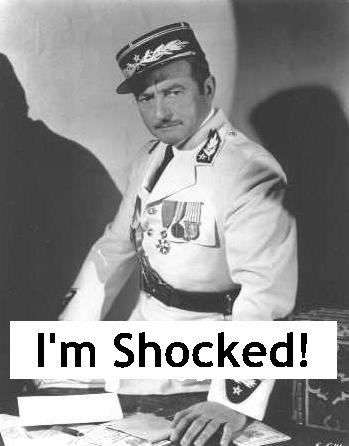 |
| SHOCKED that Kyle Anderson liked a Doctor Who episode! |
He’s a darn good writer. He can come back
any time.
He's got the skills that pay my bills (whenever I have to promote a product). He can write anything he wants, and I'll praise it.
Clever and witty...
I’d love it if he novelized this story, because I feel like it could be really terrific.
I'd love it if he let me submit my own fan-fic, because I feel like it could be really terrific.
He's got the skills that pay my bills (whenever I have to promote a product). He can write anything he wants, and I'll praise it.
Clever and witty...
I’d love it if he novelized this story, because I feel like it could be really terrific.
I'd love it if he let me submit my own fan-fic, because I feel like it could be really terrific.
One episode left! I can’t believe it’s nearly here.
Our long national nightmare (in silver) is almost over.
“The Name of the Doctor,” written by Steven Moffat and directed by our friend Saul Metzstein, looks pretty darn creepy, and I have really no idea what to expect. However, I bet it’ll be great, because this series has been great.
I have no idea what to expect. However, I bet it'll be great, because my analytical critic's mind tells me I like any old garbage from Moffat, so long as he keeps the money rolling in and fanboys look to me as an expert instead of the poseur and propagandist that I am. After all, how many negative reviews have I given this season? One. One out of 13 episodes, giving me a 92% positive rating.
Even other outlets have given negative reviews to both Journey to the Centre of the TARDIS and Nightmare in Silver, but you keep chugging along, insisting that practically every Doctor Who episode is above reproach. It's one thing to love something to the point of idiocy, but to insist that something will be great before it comes out seems insane.
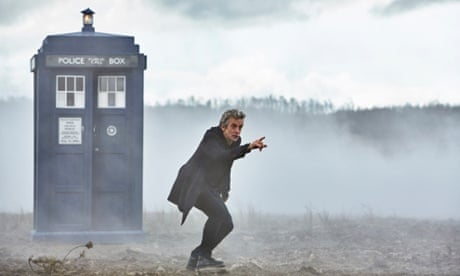
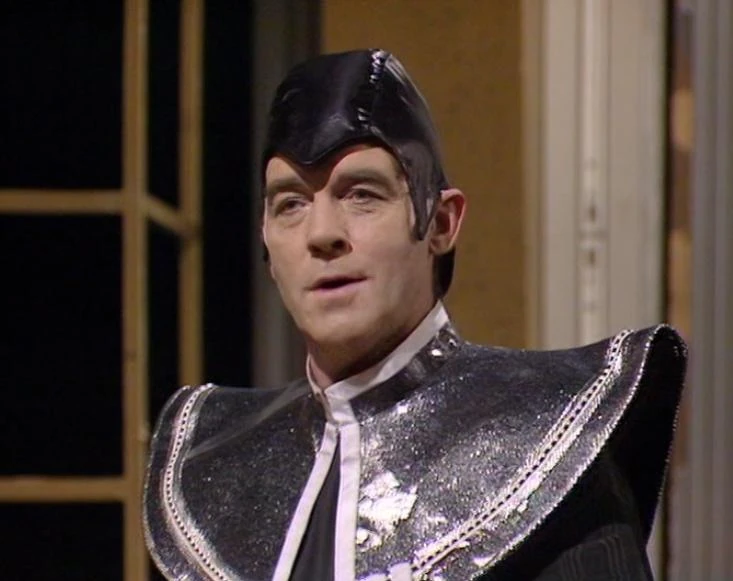
Wanna know how I know it’s the 50th Anniversary? Because in Series 7’s 13 episodes up to this point, we’ve had Daleks, UNIT, Weeping Angels, The Great Intelligence, Ice Warriors, Silurians, Sontarans, and Cybermen. Can’t imagine what we’ll get next week.
 |
| Bet it won't be him. |
.jpg) |
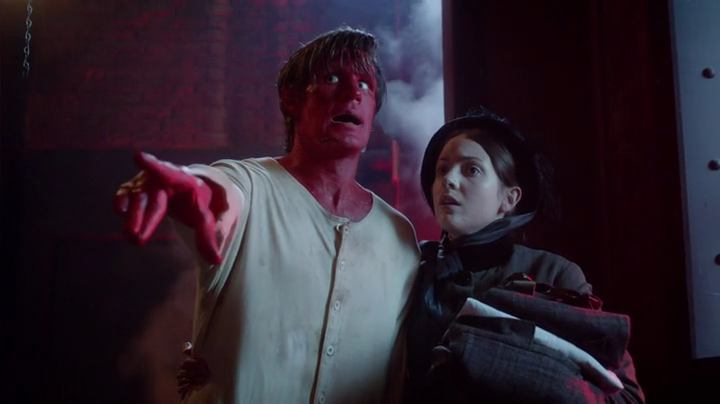
| ...or him... |
 |
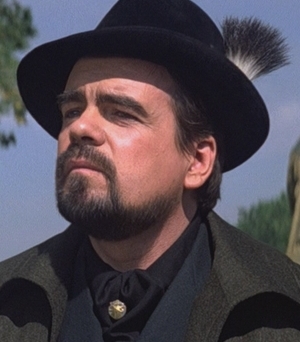
| ...and most certainly not him... |
 |
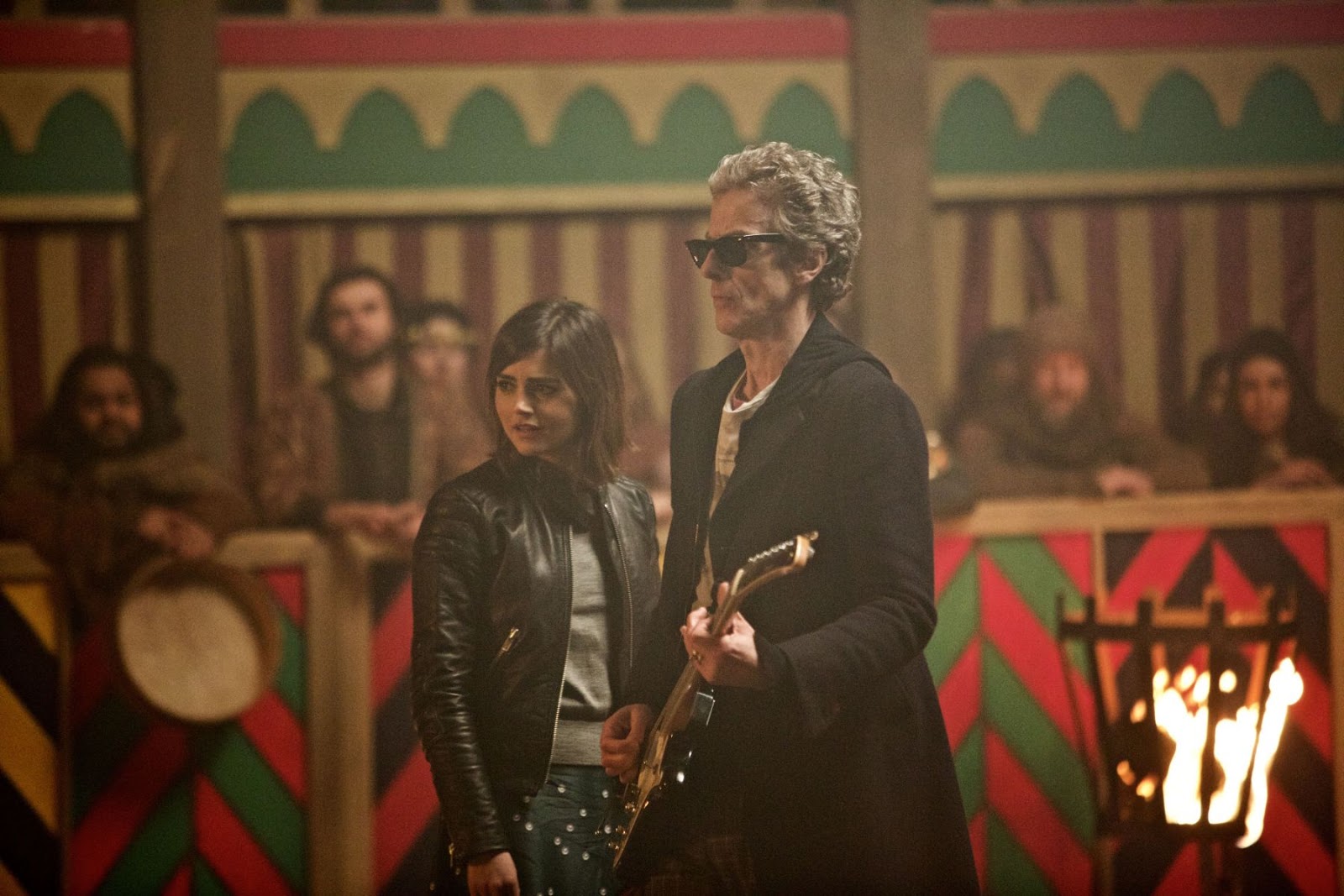
| ...and most positively not her. |
Then again, what do Sil, Omega, The Valeyard, or The Rani have to do with Doctor Who? It's not like any of them are part of established Doctor Who Canon.
And now, for your musical enjoyment, a reminder of the 'clever and witty' script...